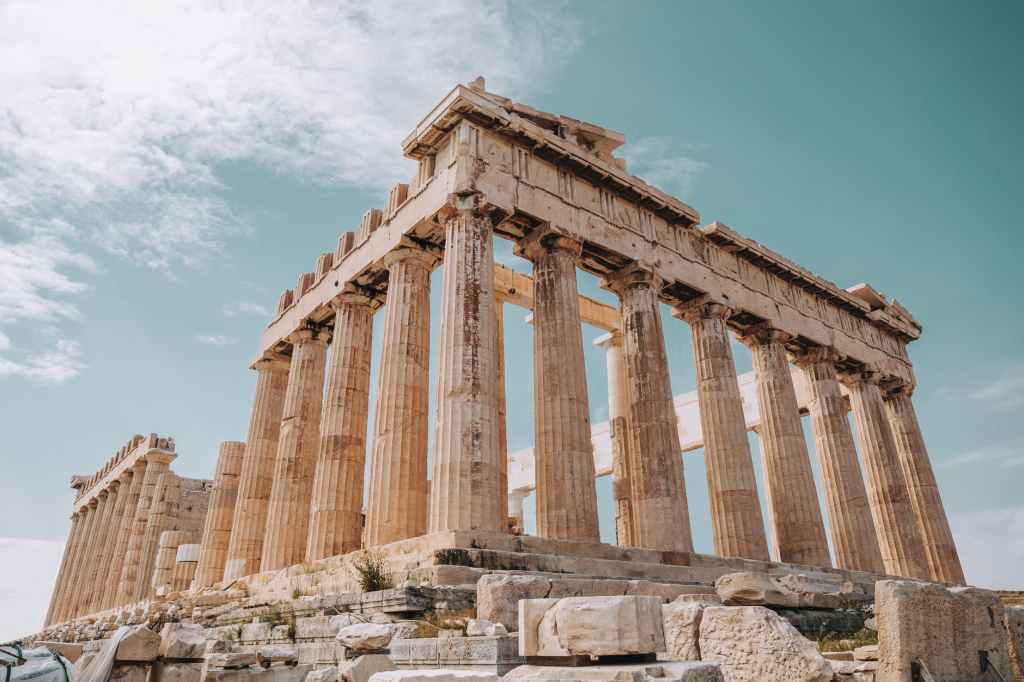
I was going through my library a couple of days ago, and I realised, with the tiniest speck of shock, just how many books about mythology I’ve amassed over the years. I was surprised at how obsessed I actually am with it (don’t worry, it’s all under control, I can stop whenever I want). Just the other day, I was browsing a local bookshop, and bought yet another anthology (Neil Gaiman’s Norse Mythology, for those of you who would be curious), this one about Norse myths, as per the title. I’ve always been fascinated with those sagas, and all of the other mythical realms, ever since I was a child. Who could blame me ? They’re great stories, and my little imaginative mind was drawn to them like moths to an ardent blaze. In recent times, they offer comfort, a sort of warm embrace, and a sense of familiarity that helped me through recent times (reading stuff about illnesses and epidemics in Ancient times kinda makes you put this whole situation in perspective). I still get far too excited at the mere mention of Roman deities, Egyptian gods and Greek myths, and I’d like to share a little bit of this passion. It’s fun, really ! Nothing like these stuffy classrooms and bored professors I used to have that taught me about all of this. I may be biased (not neutral at all on these issues), but this subject allows me to indulge in great stories, really. At the end of the day, aren’t those what myths are ?
First of all, let me define mythology a little better. What exactly is it ? To sum it up in a broader manner, mythology is the collection of tales and stories, often spiritual, moral, sacred, or even very much rational, that are a part of certain civilisations. It is constituted of myths (who would’ve thought ?) that usually have different interpretation, and depict extraordinary creatures and gods in various situations. The majority of them have a not-so-hidden meaning, and act as fables, or parables. This folklore genre used to be transmitted through an oral fashion, and stems from a specific need, whether it be to explain certain natural phenomenons or to answer existential problems (like life after death, the creation of the world, etc). Some legends have very rational explanations, others do not. Mythology is a part of every single culture, and has seeped through multiple layers of humanity, from Inca beliefs to, more recently, Marvel Comics. Today, the question of knowing whether or not they are still relevant is one that is often asked, but I don’t think there is an easy answer to it. They are to me, but on a literary basis ; their morality seems to have gotten lost throughout the years, as technological and scientific advances let us understand the world that surrounds us in a more thorough manner. As a former classics student, mythology has been crammed into my head, with a focus on Roman and Greek civilisations. I do have a preference for the Greeks, though. I don’t know why, but these stories still fascinate me today (whether Roman mythology is a replica of the Greeks, that is a debate for another time). Those ancient gods bickering amongst themselves, all-powerful but always ready to be defeated by cunning and heroic human beings, all of these atmospheric events and affairs are thrilling and captivating to me, and I just can’t seem to get enough of them.
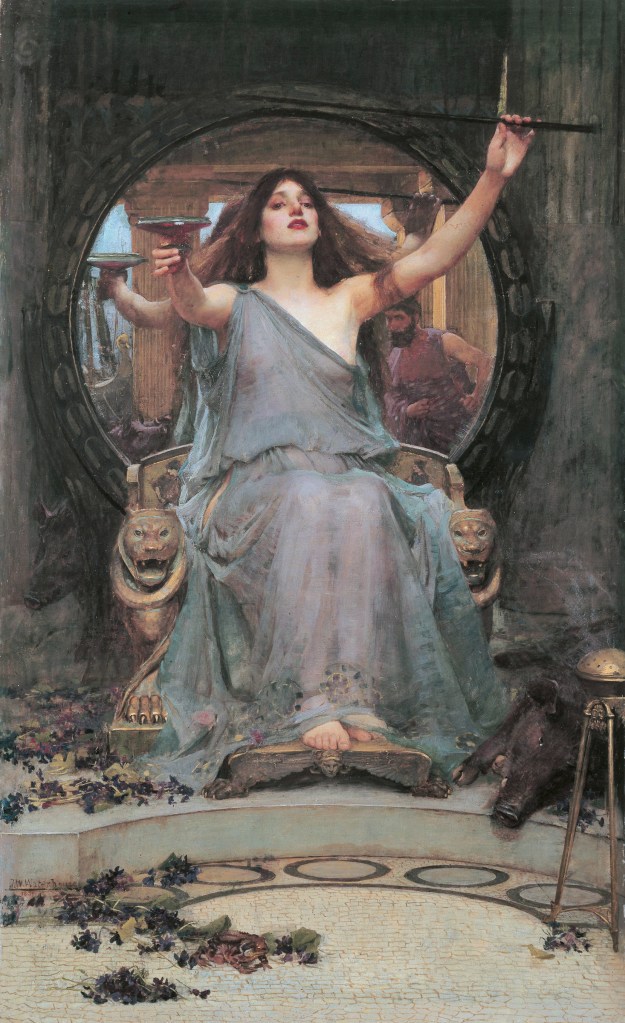
Nowadays, myths have grown into tales from another time (which is what they are), and charming ones at that. They are a part of our general knowledge, are studied and closely deconstructed by scholars and students alike, and enjoyed, once in a while. They seem to have lost their former spiritual appeal, from when they used to be considered as somber omens or ominous warnings. For example, in mythology, higher powers, usually portrayed as gods, are represented as omnipotent and temperamental beings. They control the world, act with more or less mercy depending on their own state of mind and alert humans against their own hubris, their own egos. However, over the centuries, their power weakened as we abandoned polytheistic cults. In my opinion, it’s not that those ancient deities have become obsolete, or feeble, no : their power has simply shifted. Homer’s epics are still read and enjoyed, Norse mythology has newfound power in the Marvel Cinematic Universe (Thor and Loki have grown to be quite enjoyable characters of the Avengers in the last decade, and I am thrilled about it) and, every once in a while, someone tries their hand at rewriting these myths, or gives them a new twist. Myths were (and still are) the blueprint to a lot of stories and tales, no matter how hard we try to be original. And that’s good ! It shows we still need those stories and the reassurance they bring. Deep down, underneath all those layers of understanding and cynicism, there’s still a part of humanity that needs these myths, whether it be for comfort or just for entertainment.
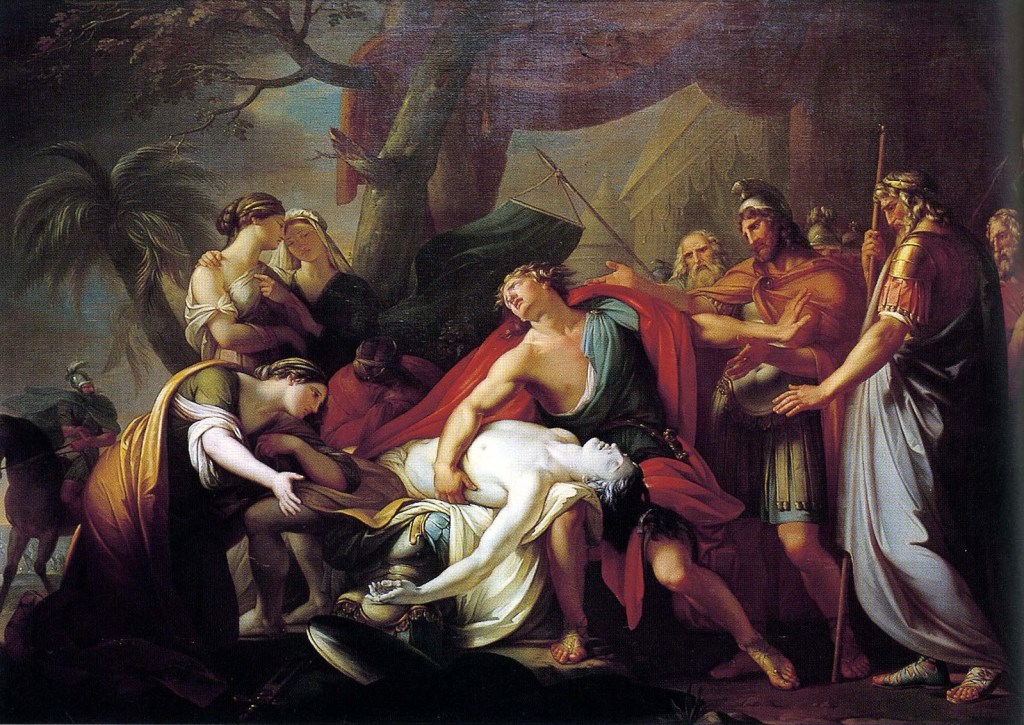
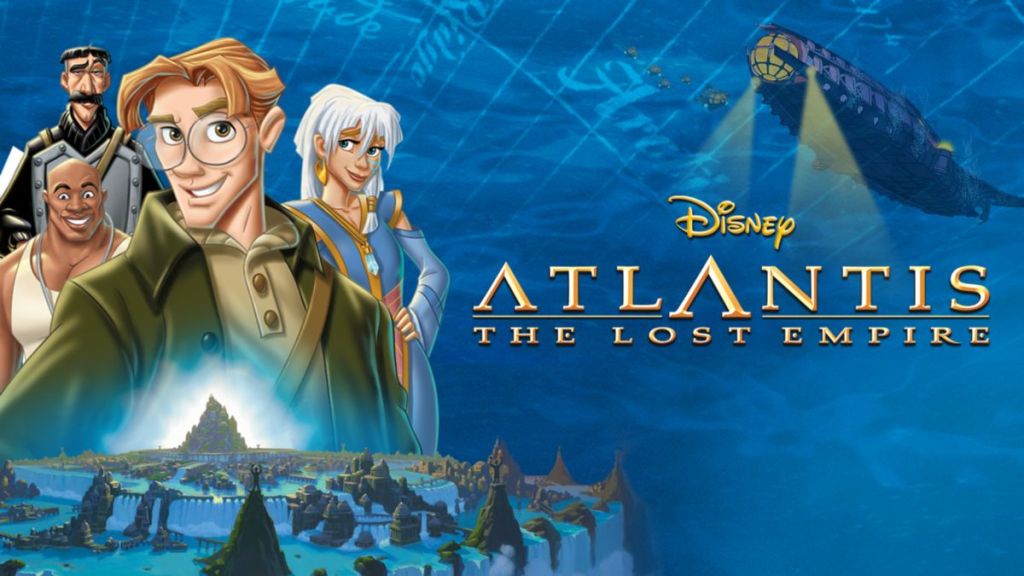
It feels important to repeat here that I am highly biased, and that mythology is a vast subject, with many different opinions and interpretations I have a lot to say about. It just seems to me that no one ever gets it quite like I want it to be. The different accepted renditions we have are usually sexist, racist and/or homophobic. Now, I’m not saying that people, back whenever myths originated from, weren’t any of these things, but we tend to look at everything with our own cultural lenses. Medusa wasn’t a monster, she was a victim and deserved better, just like Helen of Troy. Achilles and Patroclus weren’t good friends, they were gay. The retellings we have today are sometimes awkward and strangely convoluted (I’m looking at you, BBC, for the chaotic mess that was Atlantis), but don’t address these issues, or amplify them (at least for the more mainstream ones). A few examples come to mind, concerning those who didn’t do half bad, for example Disney’s take on the myth of Atlantis (The Lost Empire). In this animated movie, the city of Atlantis and the legends that surrounds it (i.e. a prosperous city that was drowned with a giant wave and has been sleeping on the ocean floor ever since) take center stage, but with a contemporary twist. The myths are used by the main character, Milo, who embarks on an expedition to find this lost civilisation and ends up staying in this newfound realm. The legend of Atlantis was adapted to a new perspective, Milo’s, which amplified it with a contemporary twist instead of cramming it into a narrow box. The same could be Rick Riordan’s Percy Jackson saga (the books, NOT THE MOVIES) ; I cannot comment too much on these, however, because I haven’t read them, if I were to be completely honest.
So in the end, I don’t really know what motivated my love for classics and mythology in the first place. I think I just picked up a book one day and fell into it. Even if I put some distance between me and mythology as I grew older, I keep coming back to it, over and over again. I guess I like a good story, and myths scratch that itch big time. There’s just so much richness to them, so many things to say and to read and to think about, it’s never-ending. And there are so many different worlds out there. I won’t stop (can’t stop ?) going on about it, despite everything. Mythology continues to inspire me, even today, and delving into every single aspect of it can be quite informative, or just plain funny. Knowing what people used to believe, what scared them or what was considered immoral makes us closer to them, and gives us a deeper understanding of them. So in a way, all of this rambling is a sort of introduction (not the best, I know) to a few things I would like to write, and that I hope will be enjoyed.


 background character
Leave a comment